When Do Films Come to OTT After Theatres? India’s Streaming Windows, Explained
You skipped a film on its opening Friday, and now you are doing the modern moviegoer’s ritual: refreshing Netflix, checking Prime Video, searching “when will it stream?” The answer depends on something most viewers never see — the window, the negotiated gap between a film’s theatrical release and its streaming premiere. It is not a law. No government body fixes it. It is an industry agreement, enforced not by courts but by cinema chains that can refuse to screen a film which breaks it. And in India, that agreement looks very different depending on which industry made your film.
Here is how the windows actually work — and how to use them to predict, fairly accurately, when a film will land on your phone.
The Hindi standard: eight weeks, guarded by the multiplexes
For a mainstream Hindi release playing the national multiplex chains, the standard window is eight weeks — roughly 56 days, or eight Fridays, between the cinema release and the OTT premiere. The norm is upheld through the Multiplex Association of India, and the major chains treat it as a condition of programming: agree to the gap, or risk losing screens for your film and souring the relationship for your next one.
Eight weeks was not always the number. In the pre-streaming era, films took months to travel from theatres to television. As satellite premieres and then streaming compressed everything, the Hindi industry settled on eight weeks as the compromise: long enough for a hit to complete its money-making run in cinemas, short enough that audience buzz is still alive when the film streams. After the pandemic disruption described below, the chains formally restored the eight-week standard from August 1, 2022, and it has held, broadly stable, ever since.
How COVID broke the windows completely
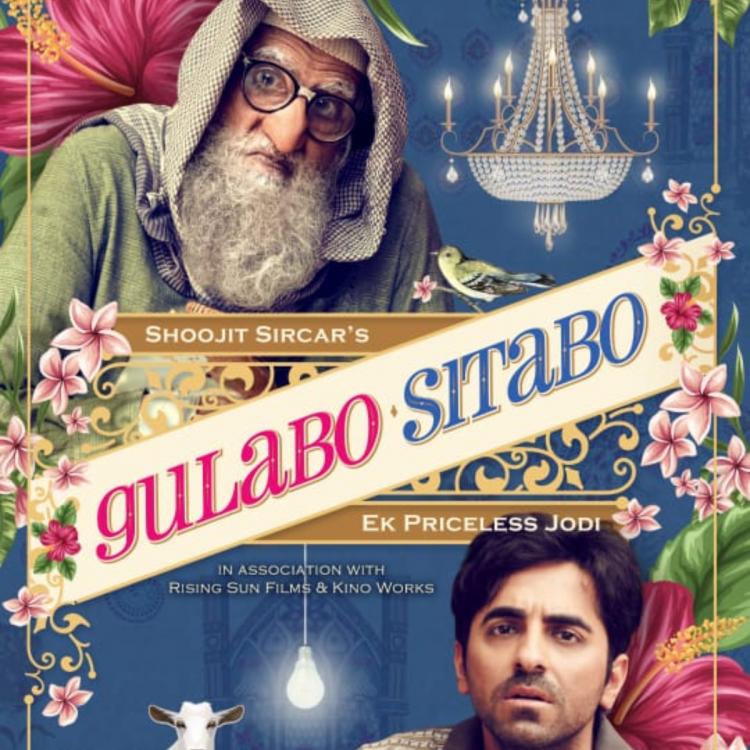
The pandemic did not bend the window system; it demolished it. With cinemas shut through much of 2020 and 2021, producers holding finished films faced a stark choice: wait indefinitely, or premiere directly on streaming. Many chose streaming. Gulabo Sitabo became the first major Hindi film to skip theatres entirely for a Prime Video premiere in June 2020, and a wave followed — Shershaah, Sherni, Haseen Dillruba and others debuted at home. Experiments went further still: Radhe in 2021 attempted a hybrid model, opening in the few available theatres simultaneously with a premium pay-per-view streaming release.
When theatres reopened, nobody knew what the new normal was. For a while the gap collapsed to about four weeks — Bhool Bhulaiyaa 2, one of the biggest hits of 2022, reached Netflix roughly a month after release. Exhibitors, watching their exclusivity shrink, pushed back hard, arguing that a one-month window trained audiences to simply wait. The result was the August 2022 reset: eight weeks for Hindi films, enforced by the chains. The lesson of the COVID years stuck, though — the window proved it was a negotiation, not a natural law, and negotiations can always reopen.
The South’s shorter window — and the friction it causes
South Indian industries historically ran a faster clock. For many Tamil and Telugu releases, four weeks became the working norm: a month in theatres, then a streaming premiere while publicity was still warm. The model suited industries where a large share of a film’s recovery was pre-sold to platforms, and where exhibitor structures differ from the Hindi belt’s national chains.
The tension arrives when a South film wants a big Hindi release. The national chains apply their eight-week rule to what plays in their theatres, regardless of the film’s language. A Tamil blockbuster locked into a four-week OTT deal can therefore find its Hindi version shut out of PVR INOX and Cinépolis. It happened to Vijay’s Leo and Rajinikanth’s Coolie — and it happened again this month, when Jailer 2‘s Hindi version missed the national chains over its reported four-week window, playing North India largely through single screens (trade reports). Telugu cinema’s pan-India successes, by contrast, have generally accepted the eight-week norm and taken the full multiplex release.
The map is still shifting. In April 2026, South Indian exhibitors moved to mandate an eight-week (60-day) window in their own markets, arguing that four weeks was eating into second-week footfalls; producers have contested the move, and in practice many South films continue to stream at around four weeks — Nani’s The Paradise premiered on Netflix this month, four weeks after its theatrical release. Treat the South window as a tug-of-war in progress, not a settled rule.
The middle window: premium rentals and early access
Between the cinema screen and the subscription app sits a third window that India is still learning to use: premium rental. Under this model, a film becomes available to rent — a one-time payment for a 48-hour viewing window — on transactional platforms such as BookMyShow Stream or the Prime Video store, weeks before it joins a subscription catalogue (or occasionally alongside a theatrical run, as Radhe attempted). For producers, it captures viewers who will pay a premium to watch early but would never subscribe; for audiences, it is the legal version of “I can’t wait, but I also can’t get to a theatre.”

Premium windows remain a niche in India compared to subscription premieres, but they explain a common confusion: a film can be “on OTT” as a rental while still being weeks away from streaming free with your subscription. Studios also use this window for titles whose theatrical footprint is limited in some markets, letting those audiences rent early rather than wait months for a catalogue slot.
| Release type | Typical window to streaming | Notes |
|---|---|---|
| Hindi theatrical releases (national multiplex chains) | ~8 weeks | The standard restored from 1 August 2022, upheld through the Multiplex Association of India and guarded by the major chains as a condition of programming. |
| Tamil / Telugu theatrical releases | Commonly ~4 weeks | The long-standing South norm. An April 2026 exhibitor push to mandate eight weeks (60 days) in South markets is contested by producers, and many films still stream at around four weeks. |
| Premium / early-access rental (pay-per-view) | Between the theatrical run and subscription streaming; varies | A one-time rental (e.g. BookMyShow Stream, the Prime Video store) weeks before the film joins a subscription catalogue — occasionally alongside a theatrical run, as Radhe attempted. |
| Direct-to-OTT premieres | No theatrical window | Films that skip cinemas entirely and premiere on a platform, as Gulabo Sitabo did on Prime Video in June 2020. |
Note: these are reported industry norms, not rules — windows vary by film, language and deal, and individual titles can land earlier or later.
Why no two films follow exactly the same clock
Even within one industry, the window is set film by film, and several forces pull at it. The biggest is the pre-sold OTT deal: for many producers, the streaming sale is assured income locked before release — trade analyst Ramesh Bala has noted that platforms now schedule their calendars tightly and insist makers honour the agreed dates, sometimes even reviewing scripts before buying. If the deal says four weeks, the calendar bends around it.
Performance bends it too, in both directions. A hit earns the right to stay exclusive longer — there is no reason to surrender a running theatrical stream. A flop has the opposite logic: when ticket sales dry up, holding back the streaming date protects nothing, and films can move startlingly fast. This year, two of Karthi’s releases reached Prime Video in about two and three weeks respectively after disappointing theatrical runs (trade reports) — the “fast-track” exception that nobody announces but everybody uses. Star contracts, festival slots, holidays and a platform’s own content calendar add further variation.
What this means for you: predicting an OTT date
You can estimate most premieres with a calendar. For a Hindi film in the national chains, count eight Fridays from release day. For a Tamil, Telugu, Kannada or Malayalam film, start with four weeks but watch the trade news — the new exhibitor mandate means some titles now hold for longer. If a film is a certified hit, expect it to lean late; if it has collapsed at the box office, expect it early. And if it appears as a paid rental first, the free subscription premiere is usually still a few weeks behind it.
Why don’t platforms just announce the date on day one? Because the date is leverage. Announcing early encourages audiences to skip the theatre, so confirmations typically arrive only a week or two before the premiere, once the theatrical story is written — which is also why reported dates occasionally shift at the last minute.
At Filmverse, we track confirmed OTT dates for major releases and report them as platforms announce them — so when the guessing ends and the date is official, you’ll find it here.
Sources: Sacnilk; Variety India; TrackTollywood; Telugu Cinema; Zoom TV Entertainment.